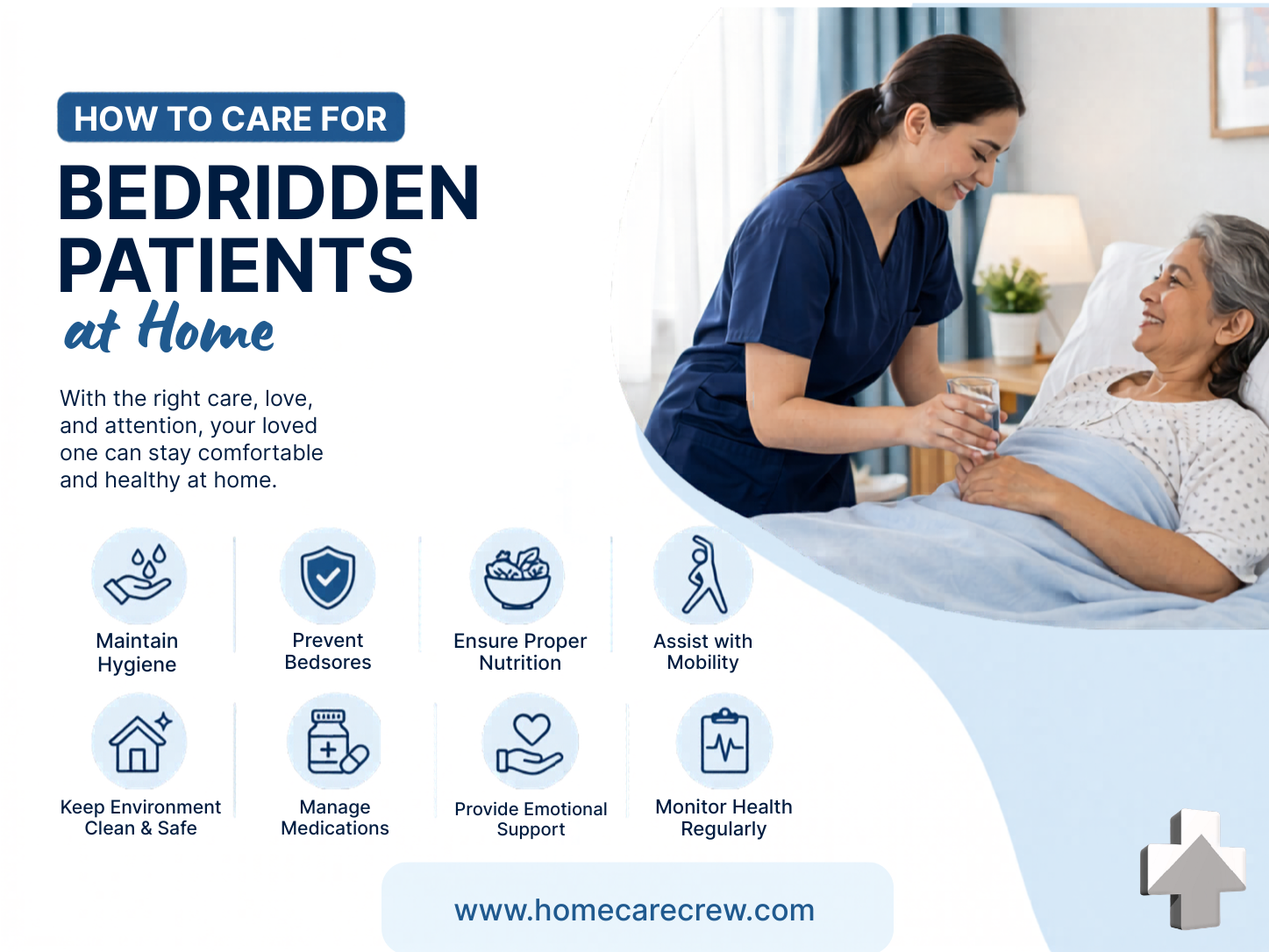
Caring for a bedridden patient at home can be both a compassionate and challenging responsibility. Whether your loved one is recovering from surgery, living with a chronic illness, or facing age-related limitations, proper care is essential to ensure comfort, dignity, and overall well-being.
This guide will help you understand the key aspects of providing safe and effective care at home.
Hygiene is one of the most important aspects of caring for bedridden patients. Since they are unable to move freely, they rely entirely on caregivers for cleanliness.
Good hygiene not only prevents infections but also helps the patient feel fresh and comfortable.
Bedsores are a common risk for patients who stay in one position for long periods.
Early prevention is key, as bedsores can become serious if ignored.
A balanced diet plays a crucial role in recovery and maintaining strength.
If the patient has difficulty swallowing, consult a healthcare professional for appropriate dietary adjustments.
Even if a patient is bedridden, some level of movement is necessary to maintain circulation and prevent stiffness.
Always follow medical advice before starting any physical activity.
A well-organized environment reduces the risk of infections and accidents.
A calm and clean space contributes significantly to the patient’s recovery.
Timely medication is critical for the patient’s health.
Keeping a medication chart can help avoid confusion and errors.
Being bedridden can lead to feelings of loneliness, frustration, or depression.
Emotional care is just as important as physical care.
Keep track of the patient’s overall condition.
Early detection of issues can prevent complications.
Caring for a bedridden patient can sometimes become overwhelming. Professional caregivers or home care services can provide trained support, ensuring better care and giving family members peace of mind.
Caring for a bedridden patient at home requires patience, dedication, and proper knowledge. By maintaining hygiene, ensuring nutrition, preventing complications, and offering emotional support, you can significantly improve your loved one’s quality of life.
Remember, you don’t have to do it alone—seeking professional help when needed is a smart and caring decision.
Chronic pain lasts beyond the normal healing period and requires a holistic management approach. HomeCare Crew Inc. provides skilled nursing, physical therapy, and daily care to help seniors manage discomfort. Reclaim your independence with professional support in the comfort of your own home.
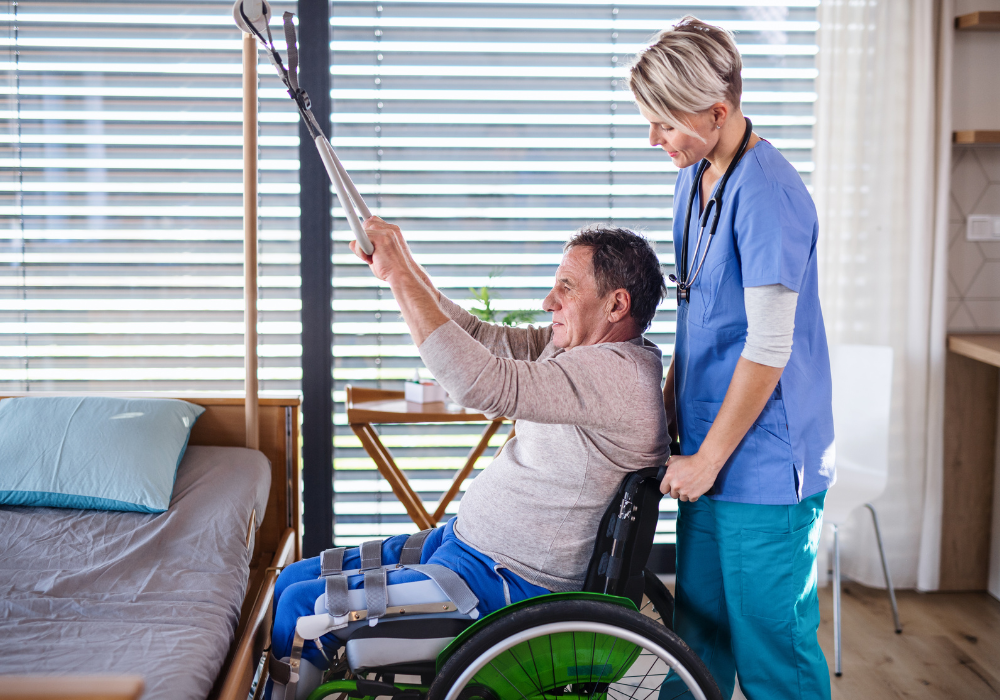
Discover effective and safe ways to manage pain from the comfort of home. From medication management and gentle exercise to relaxation techniques and emotional support, HomeCare Crew Inc. helps clients live comfortably and confidently. Personalized home care makes pain relief easier and life more enjoyable.
.jpg)
.png)


