.png)
As the seasons shift, many people look forward to pleasant weather and outdoor activities. However, for those affected by seasonal allergies, this time can bring discomfort and frustration. From constant sneezing to itchy eyes, these allergies can interfere with daily life—especially for children and seniors who may be more sensitive to environmental changes.
Learning about the causes, symptoms, and management strategies can help you stay comfortable and enjoy the season with ease.
Seasonal allergies, also known as allergic rhinitis or hay fever, occur during specific times of the year when allergens like pollen, mould, and dust are more active in the environment. These allergens trigger the immune system, causing reactions that range from mild irritation to more severe respiratory issues.
Common types include:
Children and older adults are often more vulnerable due to weaker or developing immune systems.
Seasonal allergies occur when the immune system overreacts to harmless substances. The body releases chemicals like histamines, leading to typical allergy symptoms.
Key triggers include:
Symptoms can vary from person to person, but commonly include:
Dust allergies may also cause:
If your symptoms appear during certain times of the year, seasonal allergies may be the cause. However, proper diagnosis is important.
Healthcare providers may recommend:
Identifying triggers helps create a targeted treatment plan.
Managing allergies doesn’t have to be complicated. These practical tips can make a big difference:
Seasonal allergies can be challenging, but they don’t have to control your life. By understanding your triggers and taking preventive measures, you can significantly reduce symptoms and stay comfortable year-round.
If your symptoms persist or worsen, seeking medical advice is essential. Early diagnosis and proper care can help you enjoy each season without constant discomfort.
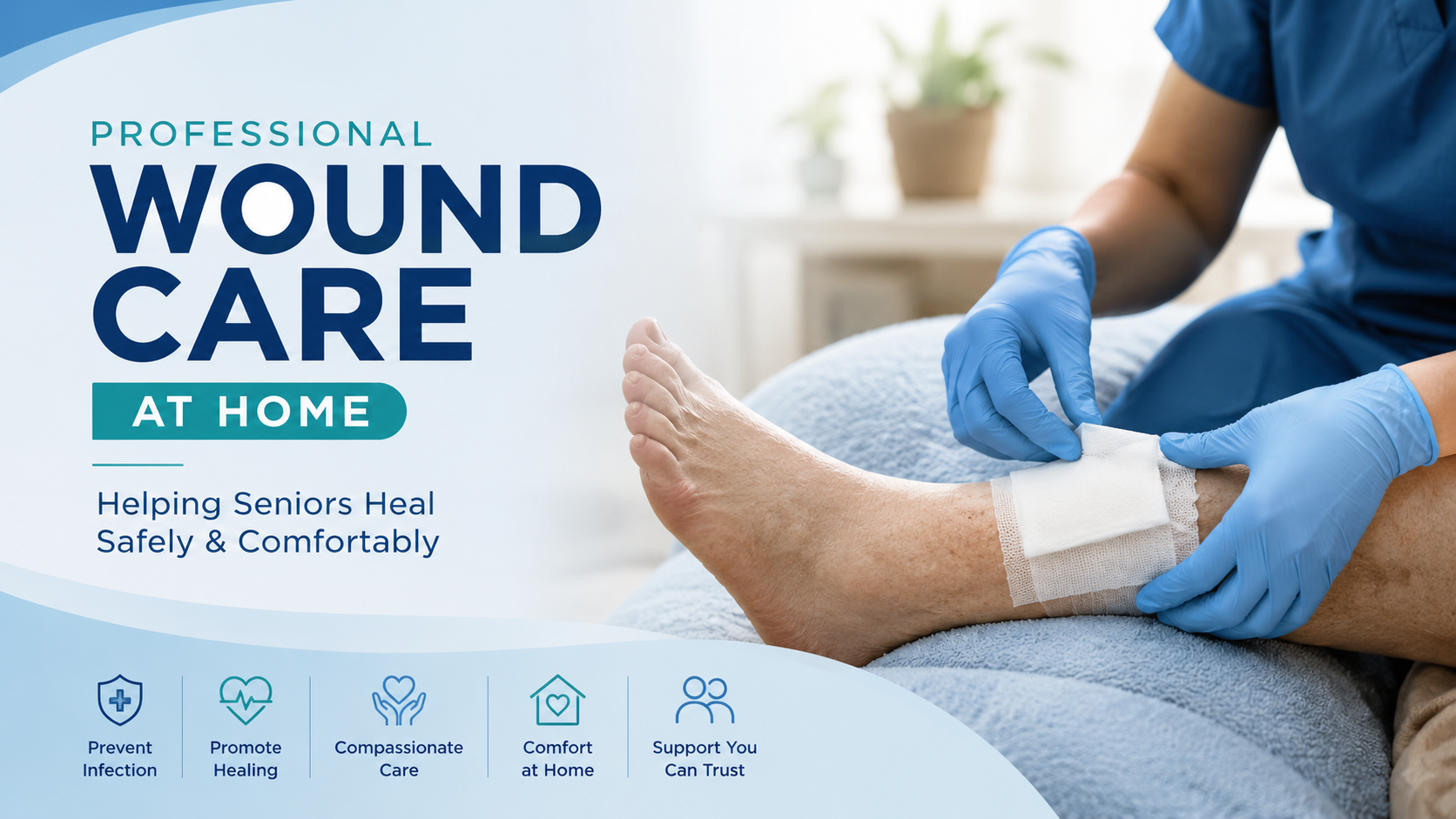
Proper wound care is essential for helping seniors heal safely, preventing infections, and reducing the risk of complications. HomeCare Crew Inc. provides compassionate in-home support and skilled wound care services to promote faster recovery, comfort, and independence. With personalised care and ongoing monitoring, we help your loved ones heal with confidence in the comfort of their own home.
Caring for a bedridden loved one at home requires patience, proper knowledge, and compassion. From maintaining hygiene and preventing bedsores to ensuring proper nutrition and emotional support, small daily efforts can make a big difference. This guide helps families provide safe, comfortable, and effective care at home.

.png)


